FOLK SONG AND SINGING
Machine translation from Serbian, not reviewed. Original in Serbian
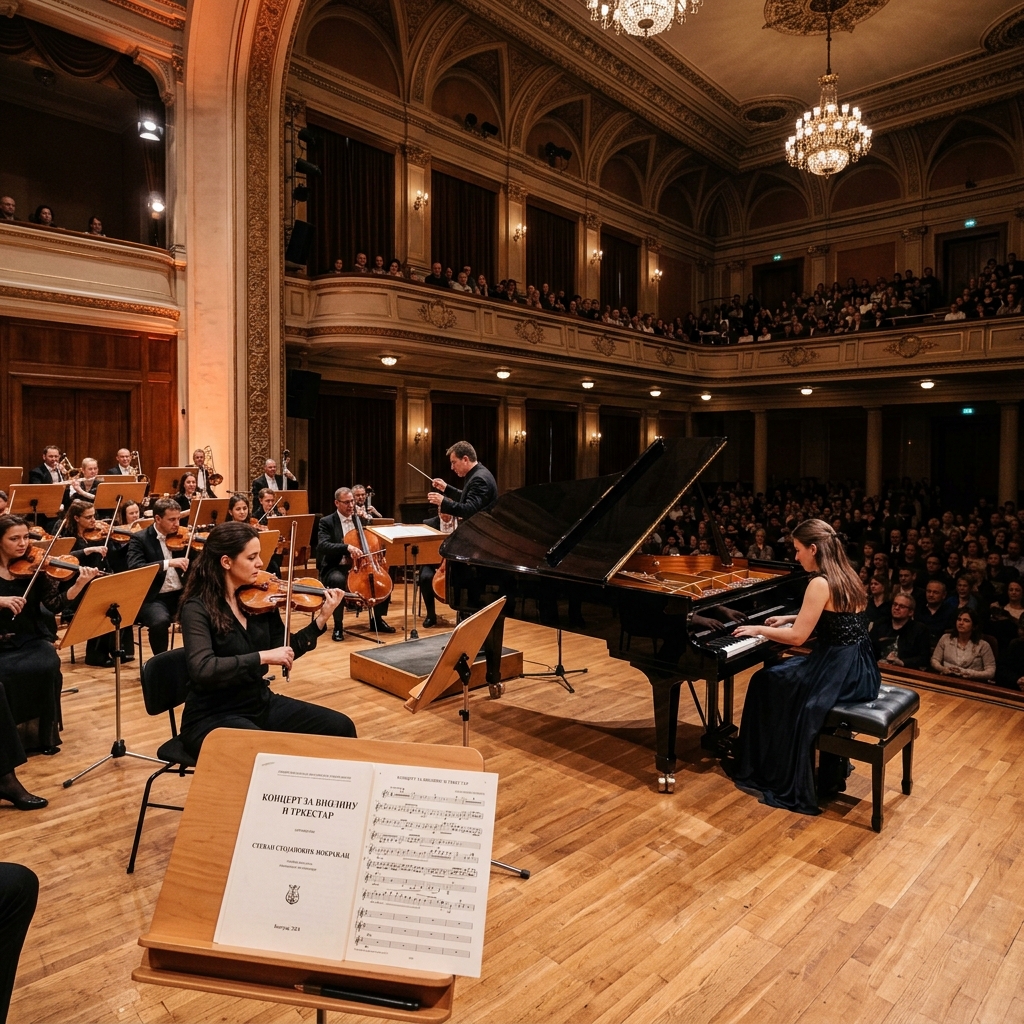
The term folk song implies an anonymous creator, unlike professional poetry and art music, whose creators are well known and whose works are protected by copyright.
Here, the term folk song commonly refers to a combination of lyrics and melody.
Musical folklore is the creative work of the people at large, although folk and art music have influenced each other throughout the history of musical culture.
A folk song is created by a talented individual, but it is usually not an entirely new work. Instead, it follows an existing tradition (continuity). As it is passed down orally, it gradually becomes the collective property of the people. As it passes from singer to singer, the song changes somewhat, giving rise to different versions (variation). Over time, some songs disappear from folk practice forever (selection). What determines whether a song disappears is not always its quality, but whether there is still a need to perform it. That need most often fades as technology advances in rural communities.
Examples: The disappearance of songs associated with particular kinds of farm work (harvest songs)
The disappearance of most ritual songs with the advent of communism after World War II
Sometimes an individual work of art is so widely embraced that its author is forgotten over time. People quickly took up some of the poems of Branko Ćopić during World War II. They set them to wedding melodies familiar at the time and went on performing them as their own.
A folk song consists of three elements: melody, lyrics, and rhythm. The melody changes the fastest, and the lyrics the slowest. In folk singing, the lyrics take precedence over the melody. In the distant past, the ritual message of the lyrics was thought to “ensure” a successful hunt, a bountiful harvest, and good health. More recently, as the role of the song has changed, the lyrics have come to serve different purposes, becoming more varied and entertaining while remaining very important to singers.